2026-11-05 · Mike Metcalf
What to Do in the First 24 Hours After Water Damage in Waterloo
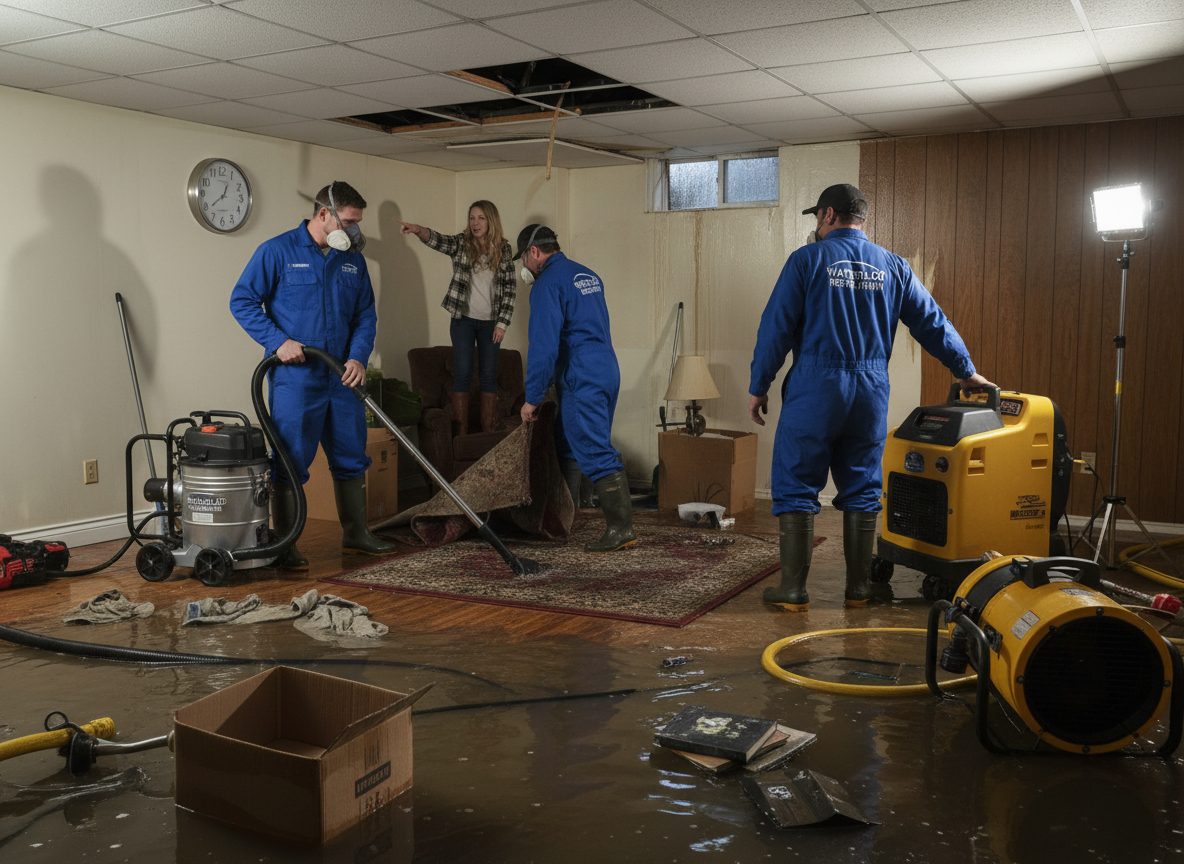
In the first 24 hours after water damage strikes a Waterloo home, stop the source if safe, protect yourself from electrical hazards, remove standing water, and begin drying surfaces to stay ahead of mold growth that often starts within 24 to 48 hours. Black Hawk County experiences a humid continental climate with cold winters that freeze pipes in older Downtown and West Side houses and hot summers that bring heavy storms, so timing matters for both burst pipe and flood events near the Cedar Falls border areas.
Stop the Water at the Source
Locate the main shutoff valve first and turn it off if the leak comes from a pipe or appliance. In East Side homes built before 1970, galvanized lines often fail during winter freezes, sending water across basements near the Grout Museum District. Check for ongoing flow from toilets or water heaters before moving to extraction. If the issue stems from external flooding after a summer storm, move valuables to higher ground on the main floor while waiting for pros. Document the valve location with photos for insurance records. This step prevents additional gallons from entering the structure and reduces the scope of later drying work in Cedar Rapids-adjacent properties.
Protect Yourself and the Home
Turn off electricity at the breaker panel before stepping into any standing water to avoid shock in older West Side wiring. Wear rubber boots and gloves when walking through affected rooms near the Waterloo Center for the Arts. Remove area rugs and lift furniture legs onto blocks to limit staining on hardwood floors common in Black Hawk County housing stock. Open windows on dry days to start airflow, but close them if outdoor humidity from nearby Cedar Falls rises. Avoid touching drywall that feels soft, as it can collapse and spread debris. These precautions keep the first day focused on containment rather than new injuries or expanded damage.
Start Water Removal and Drying
Use a wet vac or towels to pull up as much surface water as possible from concrete basements typical on the East Side. Place box fans and dehumidifiers in a cross-ventilation pattern to pull moisture from subfloors and wall cavities before it migrates to the Sullivan Brothers Veterans Museum vicinity. In humid summer conditions, run equipment continuously for the full 24 hours to drop indoor humidity below 50 percent. Check closets and behind appliances on the Cedar Falls border where hidden pockets hold water longest. Move items to unaffected areas in La Porte City or Waverly if space allows. Consistent airflow in the first day cuts drying time by days and limits the need for later mold work.
Know When Professional Help Is Required
Call for extraction services if water covers more than a few square feet or reaches electrical outlets in Downtown properties. Emergency water extraction crews bring pumps sized for Black Hawk County basements that standard shop vacs cannot handle. Flood damage cleanup teams also address contamination from Cedar Rapids runoff that often carries silt into Evansdale homes. Review the full process in Flooded Basement Cleanup for Cedar Valley Homes to understand next steps. Compare pricing details in How Much Does Water Damage Restoration Cost in Waterloo, Iowa? before scheduling. Acting inside the first day keeps the job contained to the original affected rooms rather than spreading across multiple levels.