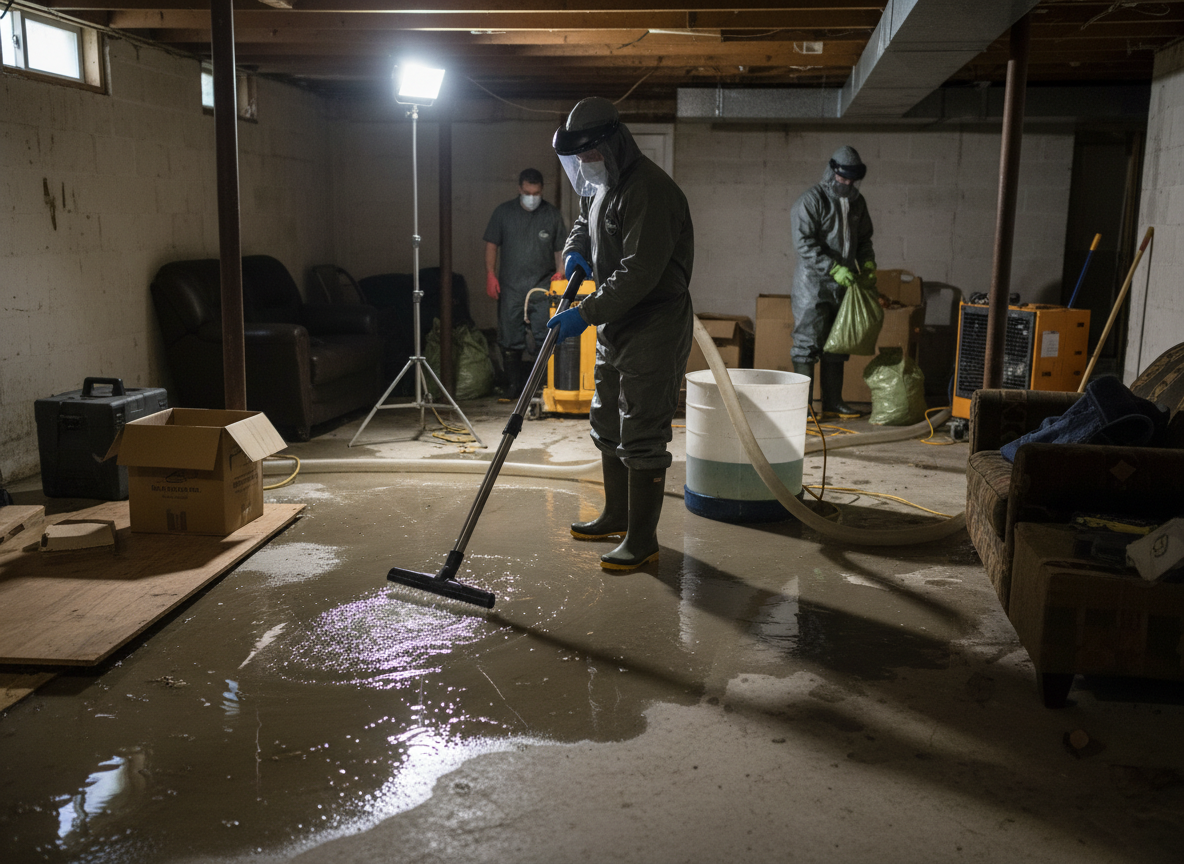
Waterloo's humid continental climate brings sudden winter freezes that split pipes in pre-1950 homes common on the East Side and Downtown. Older plaster and lath walls absorb water quickly, so extraction must reach behind baseboards before hidden saturation leads to mold that spreads to adjacent units.
Heavy summer rains often push the Cedar River over banks near the Sullivan Brothers Veterans Museum, sending water into basements with dirt floors on the West Side. These conditions require pumps that can handle silt without clogging, plus immediate removal of soaked carpet pads to keep moisture from wicking into joists shared with neighboring Cedar Falls border homes.
High water tables around Black Hawk County mean crawl spaces in Cedar Rapids commuters' properties stay damp after any leak. Extraction here must include vapor barriers and targeted drying to avoid structural rot that shows up months later when humidity spikes again.
Seasonal Patterns
Winter pipe bursts demand fast response before ice expands further damage. Summer storms hit low-lying West Side blocks hardest, where poor drainage turns yards into standing water that enters through window wells.
Technician insight
In Waterloo, the thing that catches most people out with Emergency Water Extraction is how quickly water travels under the wide oak floorboards in pre-war West Side homes—once it reaches the dirt crawl space common here, it spreads to the Cedar Falls side of the block before homeowners notice.
West Side Pipe Burst
A homeowner on the West Side noticed water near the kitchen after a January freeze. Extraction revealed water had traveled under floorboards into the shared wall with the next unit. Pumps cleared the main volume and drying equipment was staged to protect both properties.
Emergency Water Extraction Services We Offer
✓Basement Water Extraction
Removes standing water from flooded basements common in older Downtown Waterloo homes before it reaches electrical panels or spreads to first-floor flooring.
✓Pipe Burst Response
Targets sudden releases from frozen lines in East Side and West Side housing stock, extracting water from wall cavities and subfloors to limit hidden moisture.
✓Storm and Flood Cleanup
Handles water pushed by Cedar River overflows near the Grout Museum District, using pumps suited for silt-laden floodwater from Black Hawk County events.
✓Crawl Space Extraction
Clears water from high water table areas along the Cedar Falls border where dirt floors and low clearance make full drying difficult without proper equipment.
✓Appliance Leak Extraction
Addresses leaks from water heaters or washing machines that pool under kitchen and laundry floors in compact Cedar Rapids commuter homes.
Emergency Water Extraction Cost in Waterloo, IA
| Service | Typical Range | What Affects It |
|---|---|---|
| Initial extraction visit | $250–$650 | Depends on gallons removed and number of rooms |
| Crawl space or basement pump-out | $300–$800 | Higher when silt or debris is present |
| Daily drying equipment rental | $75–$150 per day | Varies with home size and humidity levels |
| Carpet and pad removal | $150–$400 | Based on linear feet and disposal needs |
Ranges are typical for Waterloo, IA and confirmed with an exact written quote before any work starts.
How it works
- 1
Arrival And Containment
Technicians arrive with pumps and barriers, shut off water sources, and block off affected rooms to stop spread into unaffected areas of the home.
- 2
Standing Water Removal
High-volume pumps extract visible water from floors and low spots while monitoring for hidden pockets behind walls or under cabinets.
- 3
Moisture Mapping
Meters check drywall, subfloors, and insulation to locate saturation that standard visual checks miss in older Waterloo construction.
- 4
Initial Drying Setup
Air movers and dehumidifiers are placed to begin reducing humidity before secondary mold growth starts in humid summer conditions.
Pricing
Upfront quotes based on water depth, square footage affected, and whether hidden cavities require extra access.